


Supervision
Supporting clients with eating disorders and disordered eating can be rewarding but also complex and emotionally demanding. I offer supervision to dietitians and nutrition professionals seeking a safe, reflective space to explore their practice, develop their confidence in this area, and keep within professional boundaries and scope of practice.
What I offer
A confidential, non-judgemental space to reflect on clinical cases and professional challenges, adapted from Proctor’s three-function model of supervision (Inskipp and Proctor, 2009) (see diagram).
Guidance in navigating the nuances of working with eating disorders and disordered eating.
Support in exploring your own responses to client work and developing resilience as a practitioner.
Opportunity to enhance your knowledge and skills in this specialist area.
Sessions that contribute to your Continuing Professional Development (CPD).
Who It’s For
This service is for registered dietitians and nutritionists at any stage of their career who are:
Working with or moving into eating disorder/disordered eating care.
Seeking support with complex presentations or ethical dilemmas.
Wanting to deepen their reflective practice and professional growth.
How it Works
Supervision sessions are typically offered as:
60-minute one-to-one sessions (online or in person).
Flexible frequency to meet your needs (ad hoc, monthly, or more regular).
Tailored to your professional context and goals.

Pay-as-you-go supervision - £40 per hour
Block of 4 supervision sessions - £150
Block of 8 supervision sessions - £280
Lecturing and Training
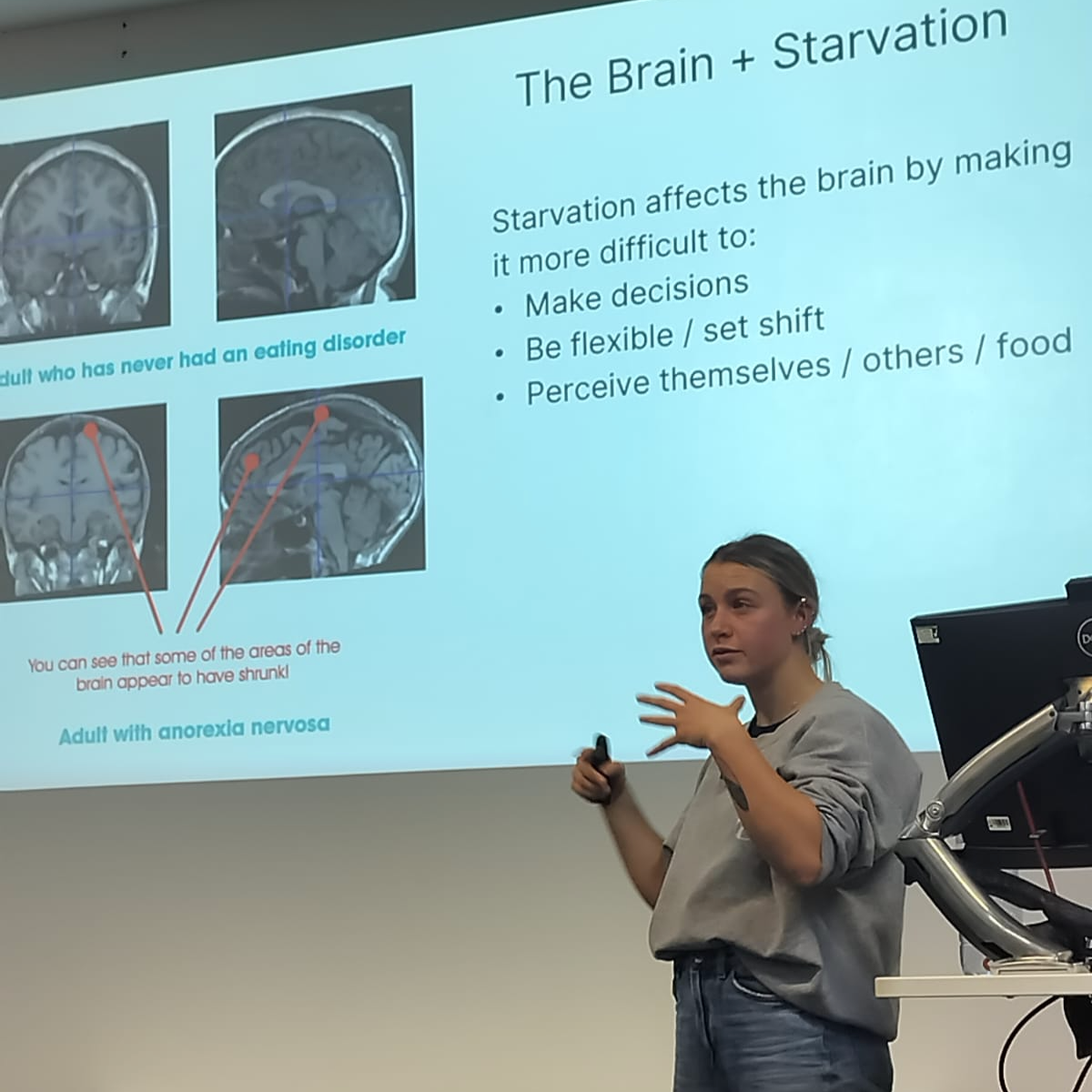
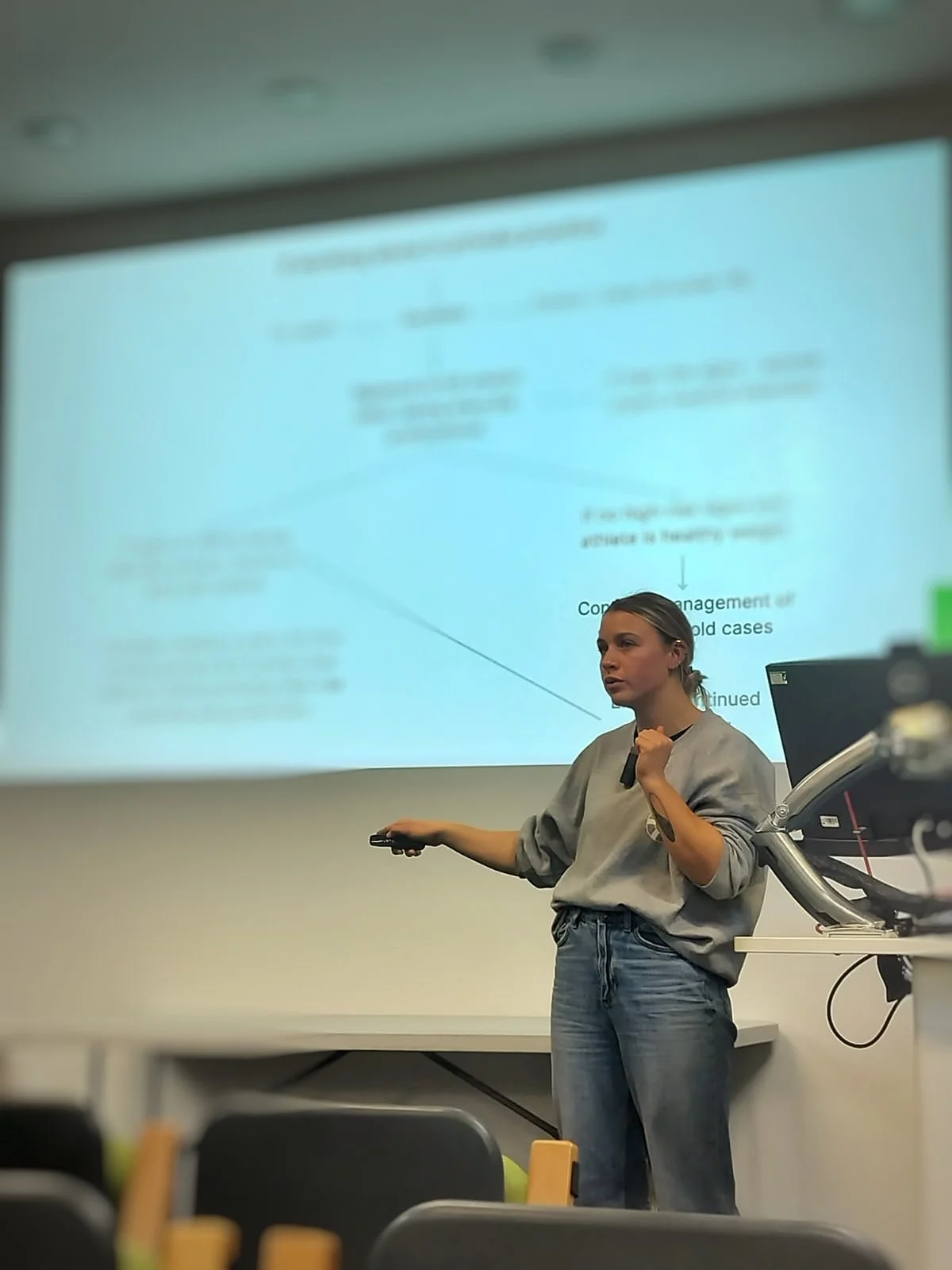
I offer guest lecturing and professional training on eating disorders and disordered eating, with particular expertise in sport and performance settings. I have delivered lectures on the MSc Applied Sport Nutrition course, covering key topics such as recognising eating disorders, identifying signs and symptoms, screening athletes, staying within scope of practice, and supporting management in both club environments and private practice. In addition, I have experience training NHS professionals, including diabetes teams, with tailored sessions designed to meet the specific needs of multidisciplinary healthcare settings. My teaching style is engaging, evidence-based, and adapted to suit the audience, whether in academic, clinical, or sporting contexts.
Topics I can cover include:
Understanding eating disorders and disordered eating in sport
Recognising signs and symptoms in athletes and clients
Screening tools and referral pathways
Staying within scope of practice as a nutrition professional
Supporting athletes in club and team environments
Working with clients in private practice
Tailored training for healthcare teams
Practical strategies for multidisciplinary team working
Pathway / Policy Development
I offer consultancy for policy and pathway development to support universities, sports teams, and other organisations in creating safe, evidence-based pathways to support the prevention and management of eating disorders. With extensive experience in the NHS, I have contributed to the design and refinement of clinical pathways, including linking services (e.g., diabetes and eating disorder teams) and reviewing protocols to protect clients at risk of refeeding syndrome. I can assist at every stage of the process – from initial pathway development and implementation to training staff, monitoring outcomes, and evaluating effectiveness against national standards and guidelines. My background in leading audits and internal service evaluations ensures that pathways are not only well designed but also measurable and sustainable.
How I can support your organisation:
Design and develop pathways to support the prevention and management of eating disorders,
tailored to your setting
Advise on integration between services and teams
Review and refine pathways to ensure individual or athlete safety
Support implementation, staff training, and embedding of new policies
Develop outcome monitoring systems and audit tools
Evaluate pathways against national standards and/or research guidelines
Lead or support internal audits and research projects to assess effectiveness
