
How To Fuel Two Training Sessions Per Day
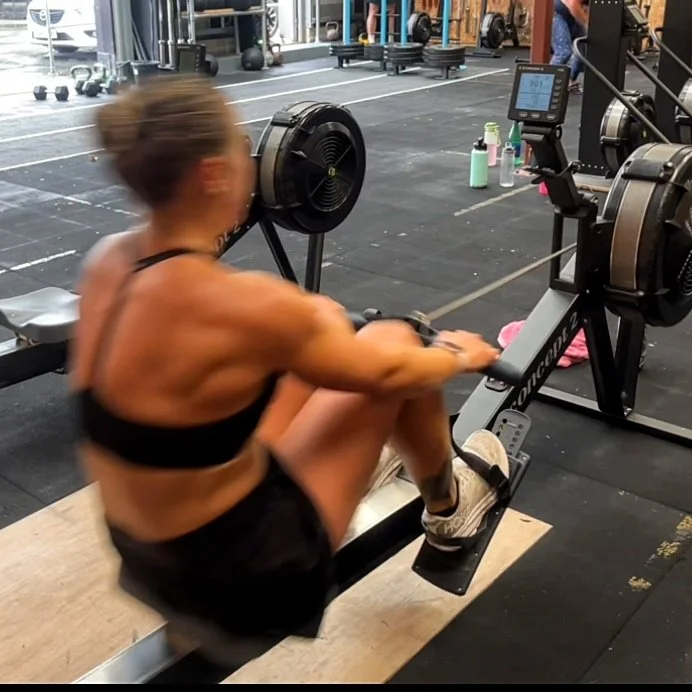
Training twice a day is common in many sports, especially endurance events like triathlon, or hybrid fitness racing. But more training doesn’t automatically equal better results.
Without the right fuelling (and recovery) strategy, two-a-days can quickly lead to low energy availability, poor recovery, underperformance, and increased injury risk.
This guide breaks down how to fuel effectively across the day, and also invites you to pause and reflect on whether two sessions per day is actually right for you.
Do You Actually Need Two Exercise Sessions Per Day?
Before we get into nutrition, let’s address the bigger question.
Two sessions per day may be appropriate if you:
Are in a structured training phase with a clear performance goal
Have adequate time for recovery, sleep, and nutrition
Are supported by a coach or structured programme
However, it may not be appropriate if:
You’re already feeling fatigued, low energy, or constantly sore
Your performance is plateauing or declining
Your relationship with exercise feels rigid or compulsive
You’re struggling with eating disorders, disordered eating, or RED-S
Reflective prompts:
What is driving me to train twice per day?
Is this aligned with my goals, or fear, guilt, or pressure?
Would fewer, better-fuelled sessions improve my performance?
Am I prioritising recovery as much as training?
Sometimes, doing less (but fuelling better) leads to more.
The Foundations of Fuelling Two-A-Days
When training twice per day, your nutrition has 3 key jobs:
Fuel the first session
Recover quickly between sessions
Prepare for the second session
This means:
Eating enough total energy
Prioritising carbohydrates for performance
Including regular protein intake
Being strategic with timing
Pre-Exercise Fuel + Hydration (for both session 1 & 2)
Your pre-session nutrition and hydration sets the tone for performance. You need to ensure that you have adequate carbohydrates available and that you are hydrated.
1–4 hours before exercise:
High carbohydrate
Moderate protein
Low fibre and fat (to support digestion)
Plenty of water
OR if the first session is early morning (30–60 mins before):
High carbohydrate (easily digestible)
Plenty of water
The goal: start the session fuelled, not depleted
Post-Exercise Recovery (Critical Between Sessions)
This is where many athletes underfuel.
If you’ve got a second session later that day, recovery nutrition becomes non-negotiable.
The “Speedy Refuelling” Window
Within 30 minutes to 1 hour after exercise, your muscles are more absorbent of the carbohydrate taken on. This means it is paramount that you have quick-absorbing carbs within 1 hour of finishing the first session, and that you rehydrate immediately.
Aim for:
1.0–1.2g carbohydrate per kg bodyweight per hour
For the first 4 hours post-exercise (or hourly until your next big meal)
Include ~20–40g protein
This is especially important if:
You have <8 hours between sessions
Sessions are high intensity or long duration
What This Looks Like in Practice
Before session 1:
Meal 1-4 hours before: high carb, moderate protein, low fat/fibre meal (e.g. porridge + banana + peanut butter) + plenty of water
OR
If short on time: Easily digestible carbs (banana, energy gel, Square’s bar, jaffa cakes) + plenty of water
After session 1 (within 30 minutes to 1 hour finishing):
Easily digestible carbohydrate source + protein (e.g. chocolate milk (cow’s or soya), yoghurt + banana + honey, peanut butter sandwich)
Plenty of water
Then:
Continue above snack every hour for four hours or until your next meal
Next meal should include carbs + protein (e.g. rice + chicken, pasta + tofu) + drink
Between sessions:
Eat every 2–3 hours (e.g. bagel, cereal, toast, yoghurt, fruit)
Keep fluids up
Before session 2 (1-2 hours before):
Easily digestible carbs (banana, energy gel, Square’s bar, jaffa cakes)
After session 2 (within 30 minutes to 1 hour finishing):
Carbs + protein (e.g. chocolate milk, yoghurt + banana, peanut butter sandwich)
Drink water
Then:
Continue regular snacks or have your next meal (carbs + protein)
A Final Thought: More Isn’t Always Better
Training twice per day can be effective, but only when matched with adequate fuelling and recovery.
If you’re not eating enough to support it, you’re not getting the benefit of the extra work.
And if your drive to train twice daily is coming from guilt, anxiety, or fear around food or body image, that’s something worth paying attention to.
Need Support With Fuelling Your Training?
If you’re training twice daily regularly, working towards particular events or competitions, or balancing exercise with a complicated relationship with food, you don’t have to figure it out alone.
At Replenish and Rise, I support athletes and active individuals to:
Fuel for performance without restriction
Improve energy, recovery, and consistency
Build a healthier relationship with food alongside training
Get in touch to find out more about 1:1 support