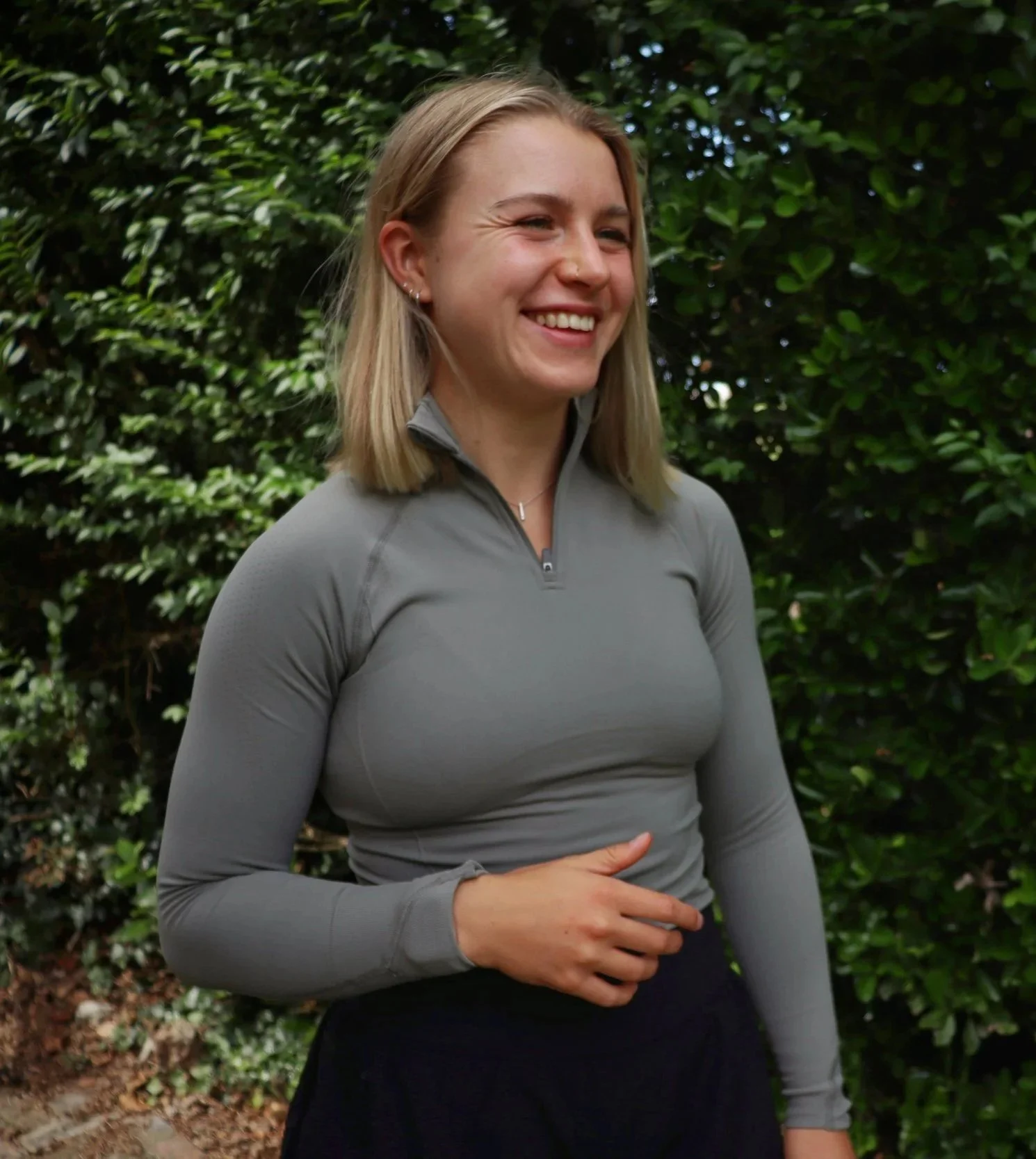
Evie Cook
Registered Dietitian and Nutrition Consultant
Are you…
Struggling with low energy
Unsure how to eat for your goals
Looking to feel stronger and healthier
An athlete looking to optimise performance, recovery, and long-term health
Rebuilding a healthy relationship with food
At Replenish and Rise, I help individuals find balance - whether that means improving energy, optimising performance, feeling stronger and healthier, or healing disordered eating patterns
-
Many people aren’t sure, especially when nutrition advice feels confusing or contradictory.
Fuelling your body properly means eating in a way that supports your daily energy needs, activity levels, training demands (if you are active), and recovery. Signs that your intake may not be meeting your needs include low energy, frequent hunger, poor recovery, difficulty maintaining a healthy weight, difficulty concentrating, or inconsistent performance.
I work with people to understand what their body needs, helping them fuel in a way that feels practical, flexible, and sustainable, rather than restrictive or overwhelming.
-
Feeling persistently tired, flat, or unable to maintain performance can sometimes be a sign that your body isn’t getting enough energy to match your training or activity levels.
This is known as Relative Energy Deficiency in Sport (RED-S). This occurs when your body doesn’t get enough energy to support both exercise and normal physiological functioning. This can lead to hormonal changes, low bone density, fatigue, injuries, and a decline in performance, health, and overall well-being. It affects athletes and active individuals of all levels, and can develop when individuals do not realise they are under-fuelling for their activity levels, or as a result of disordered eating.
Further information on RED-S is available here. If you find this relatable and would like support, consider booking a consultation to help you overcome it.
-
Yes - nutrition support can play an important role if food, eating, exercise, or body image feels stressful or difficult.
Eating disorders and disordered eating are often shaped by unhelpful thoughts and behaviours around food and weight, and in today’s world of constant diet culture and conflicting nutrition messages, it can feel incredibly hard to build a calm, trusting relationship with food. You are not alone in this.
I have worked in eating disorder care for a number of years and support individuals using a compassionate, evidence-based approach. My work combines psychologically informed strategies with clear, practical nutrition education to help challenge rigid food rules, reduce fear around eating, and rebuild trust in your body.
Where helpful, I also provide structured meal support and practical guidance to support recovery, restore nourishment, and build confidence with food - always at a pace that feels safe and manageable for you.
If this kind of support feels like it could help, you’re welcome to book a consultation to explore how we could work together.